How Much Does Car Model Impact Auto Insurance?
Key Takeaways
- Your car’s make, model, and year are important factors insurers use to estimate insurance risk and pricing.
- Car model tends to have the biggest impact on collision and comprehensive coverage costs.
- Repair expenses, safety features, theft rates, and vehicle performance can all influence premiums.
- Vehicle choice is only one part of the equation — driving history, location, coverage selections, and many other factors also affect rates.
- Drivers can compare insurance costs before purchasing a vehicle by using GEICO’s quote tools.
Your car’s make and model can significantly affect your auto insurance rate, but it’s only one part of how insurance companies determine pricing.
In simple terms, a vehicle’s make refers to the brand — such as Honda or Ford — while the model identifies the specific vehicle, like a CR-V or F-150. Insurers use this information to help estimate risk, including how expensive the vehicle may be to repair, how safe it is in a crash, and how likely it is to be stolen.
Understanding how much your car's make and model affect auto insurance rates can help you make more informed decisions before buying a vehicle. This guide explains what vehicle-related factors matter most, how they compare to other rating factors, and how GEICO’s auto insurance resources can help drivers compare coverage options and insurance costs.
Why Your Car Model Affects Auto Insurance Rates
Insurance companies use vehicle data to predict how likely a car is to be involved in a claim and how expensive that claim may be. Even two vehicles from the same manufacturer can produce very different insurance costs depending on safety performance, repair expenses, theft trends, and claims history.
Several vehicle-related factors commonly influence how insurers evaluate risk:
- Repair and replacement costs: Vehicles with expensive parts, advanced technology, or specialized labor requirements may cost more to repair after an accident, which can increase premiums.
- Safety performance: Cars with strong crash-test ratings and advanced safety systems may help reduce injury-related claim risk.
- Theft rates: Models that are stolen more frequently may cost more to insure under comprehensive coverage.
- Performance level: Vehicles with higher horsepower or sport-focused performance are sometimes associated with higher accident severity.
- Claims history by model: Insurers often review historical claims data for specific vehicles to help estimate future risk.
Some brands may generally fall into higher- or lower-risk categories, but insurers typically evaluate specific models, trims, and historical data rather than relying on brand reputation alone. Organizations such as the Insurance Institute for Highway Safety and the Highway Loss Data Institute publish safety and loss information that insurers may consider when evaluating risk trends.
Because of these variables, even vehicles that appear similar in size or price can carry noticeably different insurance costs.
Key Vehicle Factors That Influence Insurance Costs
Beyond the make and model name itself, insurers also look at specific characteristics of the vehicle when calculating premiums. These details help insurers estimate how expensive claims may be and how likely they are to occur.
Key factors often include:
- Vehicle value: Higher-value vehicles generally cost more to repair or replace after a covered loss. For example, a luxury SUV will often cost more to insure than a budget-friendly sedan because replacement costs are higher.
- Repair costs: Some vehicles require specialized parts or advanced repair procedures that increase claim expenses. Imported luxury vehicles, for instance, may have higher labor and parts costs.
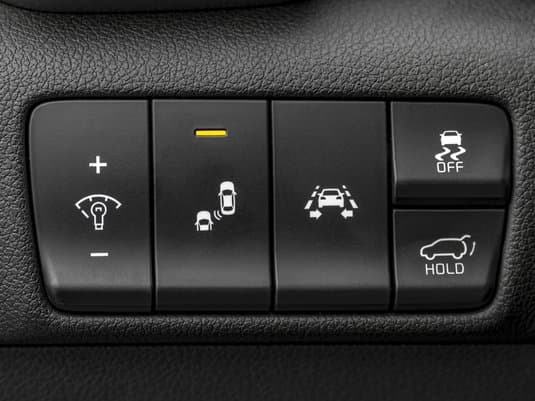
- Safety features: Features such as automatic emergency braking, blind spot monitoring, and lane departure alerts may help reduce accident risk and injury severity.
- Engine size and performance: Faster vehicles or those designed for performance driving may be associated with higher accident severity and increased repair costs.
- Vehicle size and type: Sedans, trucks, SUVs, and electric vehicles can all have different risk profiles based on occupant safety, repair costs, and driving patterns.
- Theft likelihood: Vehicles with higher theft rates may lead to increased comprehensive insurance costs.
These characteristics work together to shape overall insurance pricing. That’s why two vehicles with similar sticker prices may still have very different premiums.
How Much Does Car Model Impact Your Premium Compared to Other Factors?
While your vehicle plays an important role in determining insurance costs, it is only one piece of the larger pricing picture. Insurance companies evaluate overall risk by combining vehicle information with driver-related and location-based factors.
Other major rating factors often include:
- Driving record: Past accidents, tickets, and claims history can significantly impact premiums.
- Location: Drivers in areas with heavier traffic, higher theft rates, or more severe weather may pay higher rates.
- Age and driving experience: Younger or less experienced drivers often face higher premiums because they statistically present more risk.
- Coverage selections and deductibles: Choosing higher coverage limits or lower deductibles can increase policy costs.
For example, a driver with multiple violations may still pay high premiums even with an inexpensive vehicle. On the other hand, a driver with a clean record and strong coverage history may find that insurance for a higher-value vehicle remains relatively manageable. Ultimately, insurance pricing reflects overall risk — not just the type of car you drive.
Examples: How Different Car Types Can Affect Insurance Costs
Looking at general vehicle categories can help illustrate how car model impacts auto insurance rates. While actual premiums vary by driver and insurer, certain vehicle types often trend higher or lower in insurance costs.
| May Cost More to Insure | May Cost Less to Insure |
|---|---|
| High-performance vehicles | Family sedans |
| Luxury models | Compact SUVs |
| Vehicles with high repair costs | Vehicles with strong safety ratings |
High-performance vehicles and luxury models often come with higher repair expenses, more expensive replacement parts, and increased accident severity risk. Vehicles with strong safety ratings and moderate repair costs may present less risk to insurers, which can help keep premiums lower.
These trends are general examples rather than guarantees. Even within the same category, insurance costs can vary depending on trim level, safety equipment, theft history, and driver characteristics.
How Car Model Connects to Different Types of Coverage
A vehicle’s make and model can affect some parts of an auto insurance policy more than others. Optional coverages tied directly to vehicle damage are usually more sensitive to differences in repair costs, theft risk, and vehicle value.
Vehicle characteristics often affect coverage types in different ways:
- Collision coverage: Repair costs, replacement value, and accident risk can strongly influence pricing.
- Comprehensive coverage: Theft rates, weather-related risks, vandalism exposure, and vehicle value may affect premiums.
- Liability coverage: Rates are typically influenced more by driver behavior, location, and claim history than by the vehicle itself.
Simply put: Required liability coverage is generally based more on how you drive than what you drive, while optional coverages like collision and comprehensive insurance are often where vehicle-related differences have the biggest effect on price.
Coverage options, limits, and availability may vary by state.
How to Choose a Car Model with Insurance Costs in Mind
Insurance costs are an important part of overall vehicle ownership expenses. Factoring insurance into your decision before purchasing a car can help you avoid unexpected long-term costs.
When comparing vehicles, it may help to:
- Check insurance estimates before buying: Comparing quotes ahead of time can help you understand how different vehicles may affect premiums.
- Choose vehicles with strong safety ratings: Cars with advanced safety technology and good crash-test performance may present lower risk.
- Consider repair costs and parts availability: Vehicles with affordable, widely available parts are often less expensive to insure.
- Be cautious with high-performance or luxury models: Sports cars and luxury vehicles may come with higher repair and replacement costs.
- Think about total ownership costs: Insurance, fuel, maintenance, and depreciation all contribute to the long-term cost of owning a vehicle.
Insurance should be part of the car-shopping process rather than an afterthought. Reviewing potential insurance costs ahead of time may help drivers choose a vehicle that fits both their transportation needs and budget.
How GEICO Helps You Compare Insurance Costs by Vehicle
GEICO’s auto insurance tools allow drivers to compare how different vehicles may affect insurance costs before making a purchase decision. Reviewing quotes in advance helps drivers better understand how vehicle choice, coverage selections, and deductibles influence premiums.
Drivers can use features such as:
- Online quote tools: Compare rates for different vehicles and coverage levels through GEICO’s quote process.
- GEICO Mobile App: Manage policies and review insurance information from a mobile device.
- Adjustable coverage options: Explore how changing deductibles or coverage selections may affect pricing.
Depending on your state, additional optional coverages or endorsements may be available, and coverage availability can vary by state. Exploring quotes for multiple vehicles can help you make a more informed decision about both insurance costs and overall vehicle ownership expenses. Get a personalized quote from GEICO to compare coverage options and insurance costs.