Guide to the Cheapest Cars to Insure in 2026

Key Takeaways
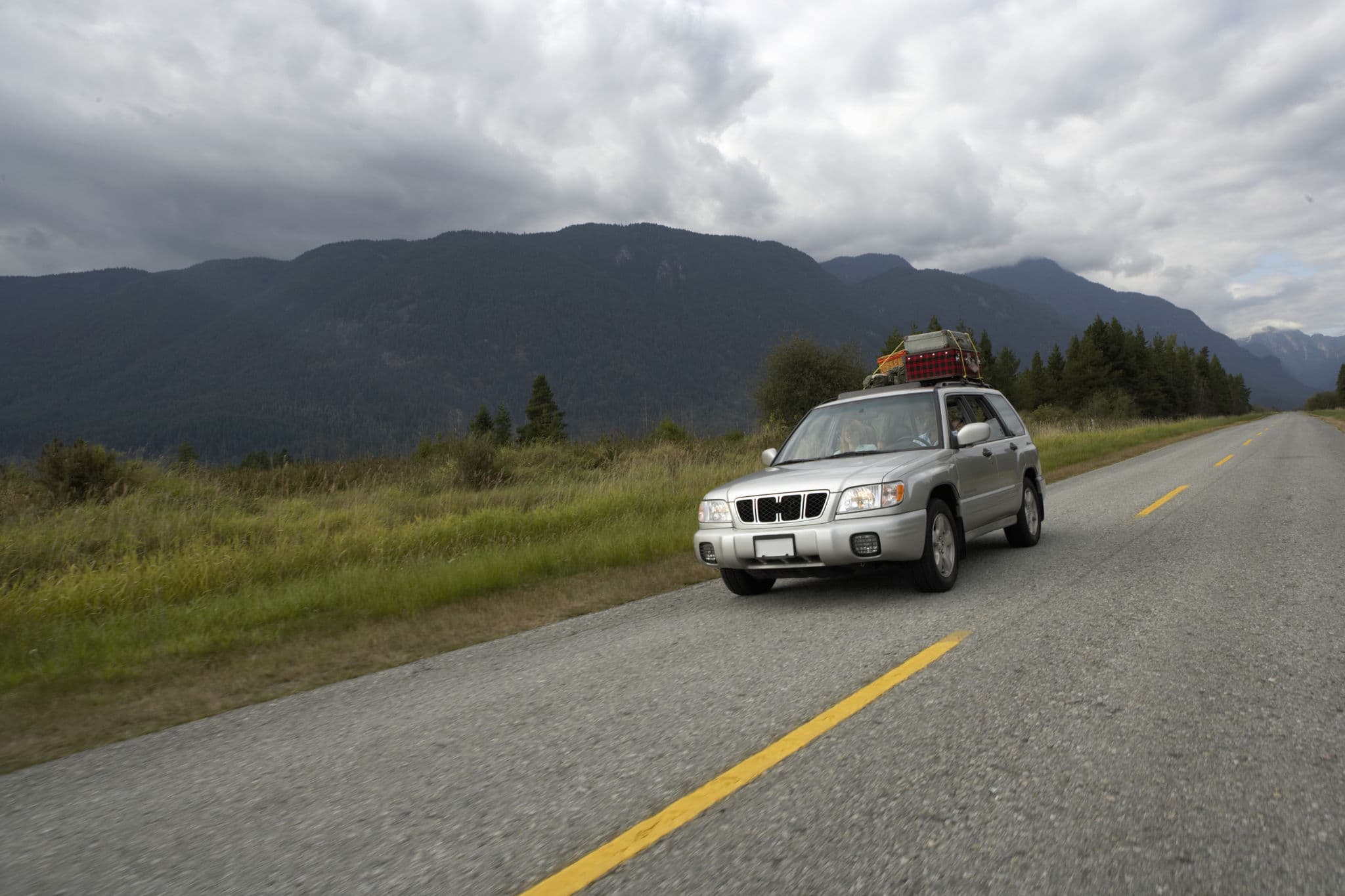
- Safe, practical vehicles often cost less to insure. Family-friendly compact SUVs like the Honda CR-V, Subaru Forester, and Mazda CX-5 tend to land on lower-cost lists.
- Four traits help keep premiums lower: strong safety ratings, low injury-claim risk, predictable repair costs, and widely available parts.
- Your rate is personal. Trim level, your driving history, location, and coverage choices all shape what you actually pay.
- Compare personalized GEICO quotes before you buy. Quoting the exact year, trim, and coverage is the most accurate way to see your real cost.
In 2026, safe, practical vehicles are often among the cheapest cars to insure, especially when they prioritize strong safety ratings, moderate repair costs, and widely available parts.
While models like the Honda CR-V, Subaru Forester, and Subaru Outback are commonly seen on lower insurance cost lists, actual rates still depend on factors like your driving history, location, and the coverage you choose with insurers like GEICO. A car insurance calculator can help you plan and understand how rates are determined.
In general, compact SUVs and smaller vehicles often cost less to insure than sports cars or luxury models because they’re typically less expensive to repair and have strong safety performance. Even larger vehicles like trucks or full-size SUVs can sometimes be affordable to insure when they have solid crash-test ratings and reasonable repair costs.
Ultimately, pricing for car insurance is personalized, so while certain 2026 models tend to be cheaper overall, your final rate will still be shaped by your individual profile and coverage selections.
Cars That Tend to Have Lower Insurance Costs in 2026
The vehicles that typically have lower insurance costs in 2026 are compact SUVs, small crossovers, and practical sedans that balance safety, repairability, and everyday usability.
These cars often share four key traits that help keep premiums more affordable: strong safety ratings, lower injury-claim risk, predictable repair costs, and broad availability of replacement parts. While actual rates vary by driver and coverage, these characteristics often make certain models more consistently affordable to insure.
| Model | Vehicle Type | Why it may cost less to insure | What to check before buying |
|---|---|---|---|
| Honda CR-V | Compact SUV | Strong safety ratings, affordable repairs, widely available parts | Trim level, safety package features |
| Subaru Forester | Compact SUV | Standard all-wheel drive, strong crash performance | Repair costs for AWD systems |
| Subaru Outback | Midsize crossover | High safety scores, family-focused design | Maintenance costs and trim upgrades |
| Mazda CX-5 | Compact SUV | Good safety ratings, moderate repair costs | Tech features and trim differences |
| Honda HR-V | Subcompact SUV | Lower repair costs and lower-powered engine | Cargo space and safety options |
| Subaru Crosstrek | Subcompact SUV | Strong safety reputation, AWD standard | Fuel efficiency and trim packages |
| Hyundai Venue | Subcompact SUV | Low vehicle value and repair costs | Safety feature availability |
| Toyota Tacoma | Mid-size truck | Durable build, strong resale value | Usage type (work vs. personal) |
| Ford Maverick | Compact truck | Efficient design, lower repair complexity | Hybrid vs. gas configuration |
These vehicle types reflect general insurance trends, not guaranteed pricing. The most accurate way to compare your expected cost is to quote the exact year, trim, and coverage package through GEICO before you buy.
To see how much a specific vehicle may cost to insure, it’s best to compare personalized quotes with GEICO.
2026 Car Insurance Cost Outlook by Vehicle Type
For 2026, the clearest insurance trend is this: vehicles with strong safety performance, common replacement parts, and lower repair complexity are more likely to have lower premiums than vehicles with expensive parts, complex electronics, or higher claim severity. Repair inflation, theft trends, parts availability, and crash outcomes all still matter, so buyers should treat vehicle-type trends as directional and confirm the exact cost with a personalized GEICO auto insurance quote.
Even within the same model line, insurance costs can vary by trim level—higher-powered engines, sport packages, luxury interiors, larger wheels, and advanced sensor systems can all increase repair or replacement expenses. For example, vehicles like the Toyota Tacoma and Jeep Wrangler may fall into different cost categories depending on configuration and usage—even though both are commonly used as everyday vehicles.
| Vehicle Type | Typical 2026 Insurance Cost Trend | Key Factors Influencing Cost |
|---|---|---|
| Compact SUVs | Often lower | Strong safety ratings, common parts, moderate repair complexity |
| Sedans | Varies (low to moderate/high) | Lower-powered trims may cost less; tech-heavy or luxury versions cost more |
| Small Trucks | Often moderate | Durable builds but repair costs vary by trim and usage |
| Performance/Luxury Models | Often higher | Expensive parts, higher repair complexity, increased claim severity |
| Minivans | Often moderate | Family use patterns balanced by repair costs and safety ratings |
While knowing these trends is helpful, a personalized GEICO quote remains the most accurate way to understand your specific rate.
Key Factors Influencing 2026 Car Insurance Rates
In 2026, there are several key factors that influence car insurance rates, and most of them are tied directly to the vehicle itself and how it is used.
Here are the main factors that usually affect your premium:
- Safety performance: Strong crash-test results and driver-assistance features can help lower expected claim severity.
- Repair cost: Expensive parts, specialty materials, and complex electronics usually make claims more costly. Some drivers may also consider optional endorsements related to replacement parts or vehicle repair preferences, where available.
- Theft risk: Vehicles with higher theft or damage risk often cost more to insure.
- Use and mileage: Daily commuting, longer distances, rideshare activity, and business-related driving can increase exposure to loss.
- Coverage selection: State-required liability coverage is the base of a policy, while optional collision coverage and comprehensive coverage can raise the premium depending on the protection you choose.
How to Compare Cars for Insurance Costs Before You Buy
The simplest way to factor insurance costs into your 2026 car search is to narrow your choices to a few models you already like, then get a GEICO quote for each before making a final decision. This approach helps you see how different vehicles may impact your overall budget so you can choose a car that fits both your lifestyle and your expected insurance costs.
To make the process easier, follow a few simple steps to compare your options side by side:
- List your top models: Start by selecting two or three 2026 vehicles you’re considering, such as a compact SUV, a small car, or a light truck. For example, you might compare options like the Honda CR-V, Subaru Forester, and Toyota RAV4 to see how different vehicles stack up.
- Gather key vehicle details: Collect important information for each model, including the exact trim level, safety features, and any upgrades, so your GEICO quote reflects the vehicle you actually plan to drive.
- Request a GEICO quote for each option: Get a quote for each vehicle so you can view estimated insurance costs side by side in a clear, direct comparison.
- Review your total budget: Consider how insurance fits into your overall monthly costs, including financing or lease payments, fuel, maintenance, and other ownership expenses.
- Speak with a GEICO specialist if needed: If you have questions about coverage options, a GEICO specialist can help explain required and optional coverages and walk you through your choices in a personalized way.
By following these steps, you can move from general research to a more informed decision, using insurance cost estimates as a practical part of choosing the right vehicle for your needs.
How to Get Affordable, High‑Quality Insurance Coverage for Your Car, SUV, or truck
GEICO helps drivers quote coverage for cars, SUVs, and trucks with online and in-app tools that make it easier to compare options and manage a policy. With more than 85 years of experience, GEICO also offers support from specialists who can explain what coverage is required in your state and what optional protections, such as collision coverage and comprehensive coverage, may fit your vehicle and budget. Depending on your situation, you may also qualify for additional savings or discounts on your car insurance policy.
Get a GEICO Car Insurance Quote Today!
To see how much your 2026 model year car could cost to insure, start a GEICO car insurance quote online or in the app today.
Be sure to have your vehicle details and driver information ready, so your quote reflects the exact car you plan to drive, and take time to review your suggested coverage package, including required liability coverage and any optional protections you choose to add. If you require assistance at any point, a GEICO specialist can walk you through your options and answer coverage questions in a clear, straightforward way. Coverage options, endorsements, and availability may vary by state.