Safety Tips For Driving In The Rain
Key Takeaways
Get Your Car Ready Before You Drive
Keep your windshield, wipers, and lights clean and in good shape, and check your washer fluid weekly. When your wipers are on, turn on your headlights too, but skip the brights, since they can reflect off wet roads and hurt your visibility.
Slow Down And Leave More Space
Posted speed limits are for ideal conditions, so slow down in the rain and leave at least five seconds between you and the car ahead. Never use cruise control on wet roads, since it can make it harder to recover if you hydroplane.
Know When Roads Are Too Dangerous To Drive On
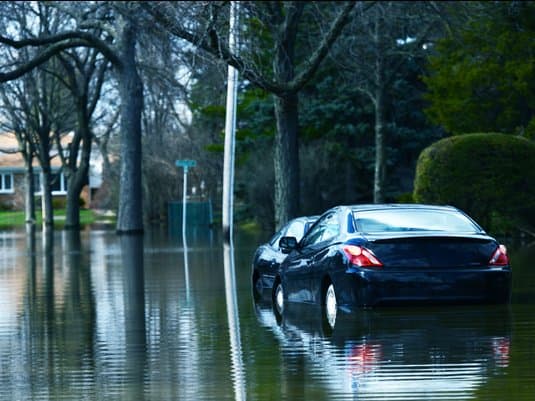
Just three inches of standing water can cause you to lose control or stall your engine, so avoid flooded areas and underpasses. If you don't need to be out during heavy rain, staying home is often the safest choice.
Rain and wet road conditions are perhaps the worst conditions that most drivers will face on a regular basis. Hazards and risks are elevated whenever it starts to rain, or even if roads are still wet from a recent downpour. Many drivers will simply slow down as their only safety precaution when it begins to rain. While reducing speed is a crucial element of how to drive safely in wet conditions, there are several other techniques or considerations that motorists need to be aware of when driving in the rain.
Not to rain on your parade, but heavy downpours can be dangerous: more than half of flood fatalities are vehicle-related, according to the National Weather Service. We asked James Solomon, a subject-matter expert on driver safety at the National Safety Council, to provide some common-sense safety tips for driving in the rain.
1. Drive A Clean Car In Good Condition
When visibility is limited by wet weather, it’s important that your car itself doesn’t impede your sight. Once a month, clean the outsides and insides of windshields and windows, and check your windshield wiper blades for wear. Check the level of your washer fluid once a week.
Solomon also recommends doing a quick check of headlights, taillights, turn signals and tire treads before driving the car for the first time each day. “Rain or no rain, operating without [signal lights], you’re a hazard—and it’s a ticketable offense,” he explains.
2. Know The Roads
Roads are built to withstand different weather conditions in different parts of the country, so if you’re new to an area, use extra caution during or after a storm. In many southern states, “the asphalt isn’t as compressed,” Solomon explains. “This means it can rain and the road can look totally dry, but it’s not. You’ll squeegee up the water that’s caught in the road aggregate, and now your tires are wet and slick and you don’t even know it.”
Take a moment to consider your route, too. If it takes you through low-lying bridge underpasses or past ditches prone to flooding, it might be a good day to take the freeway instead.
3. Switch On Lights, Not Brights
Though many newer cars come with automatic running lights, turn on the actual headlights when using windshield wipers so your taillights come on as well. “The idea behind having headlights is so other people can see you,” says Solomon. “When you turn your headlights on and your back lights come on, you identify all four corners of the vehicle.”
You don’t, however, need to flip on your brights; the brighter light will just reflect off wet surfaces, bouncing back into your eyes and irritating other drivers.
4. Slow Down!
Leave at least five seconds of following distance between your own car and the one in front, and don’t feel pressure to drive the posted speed limit. “The speed [listed] on the side of the highway is the maximum speed for perfect weather and perfect road conditions, so if the road is wet, it could be too fast for existing conditions,” says Solomon. “If other people don’t like it, they can pass you.”
And remember: never use cruise control on wet roads. If you hydroplane under cruise control, the automatic acceleration can cause you to lose control of your vehicle when your tires regain traction.
5. Don’t Get In Too Deep
If water is covering the markings on the road, it’s too deep to drive on. According to Solomon, you can lose control with as little as three inches of water on the road. And even if you manage to stay in control, a larger vehicle could push some of that water underneath your car, causing your engine to stall.
6. Steer Where You Want To Go
If you’re going too fast and end up hydroplaning (which Solomon calls surfboarding or waterskiing, “because that’s what you’re doing”), turn the wheel in the direction you want to go—and don’t be afraid if you don’t steer out of the skid on the first try. It may take three to five adjustments to get back on course (and a little while longer for your heart to stop pounding).
7. Hold Off On Unnecessary Trips
It’s one thing if you need to get home to your children or you’re already on the road, but otherwise, ask yourself if you’ve driven in this kind of weather before and if you’re ready to handle it right now. When bad weather is in the forecast, “a lot of people feel they have to go to the store,” says Solomon. But just as you would stay off the roads in heavy snow, it’s OK to stay home in heavy rain. If you have a small business in a flood-prone area and there’s lots of precipitation on the way, try to make arrangements for employees to work from home so they don’t have to worry about making the commute on potentially flooded roads.
For more tips on driving in heavy rain and other extreme weather, check out the National Safety Council’s defensive driving courses. Bonus: you could even get a discount on your car insurance for taking one.