Does Car Insurance Cover Rodent Damage? When It Does & Doesn’t
Key Takeaways
Comprehensive Coverage Pays for Rodent Damage
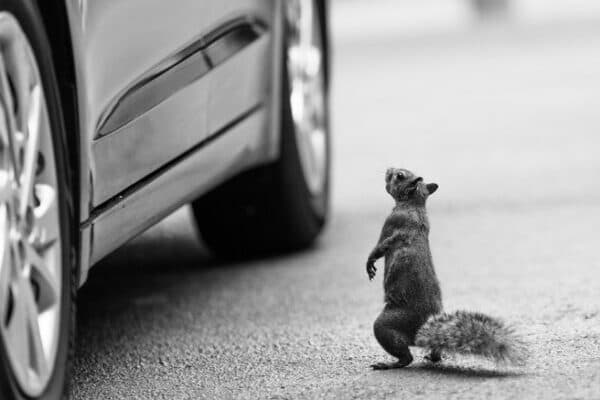
Mice, rats, and squirrels can chew through wires, hoses, and insulation, or build nests in your engine. This kind of damage is treated as non-collision damage, so comprehensive coverage can help pay for repairs.
Wear and Tear and Neglect Are Not Covered
A liability-only policy won't pay for rodent damage. Damage that builds up slowly, or that regular upkeep could have prevented, usually isn't covered either.
Simple Habits Can Help Keep Rodents Away
Parking indoors, using deterrents like peppermint oil, keeping food away from your car, and checking under the hood now and then can all lower your risk of rodent damage.
You take care of your car with regular oil changes, tire checks, and maybe even the occasional car wash. But sometimes, the biggest troublemakers aren’t on the road; they’re under your hood. Rodents like mice, rats, and squirrels can sneak into engine bays or chew through wiring, causing unexpected and costly damage. Rodent damage to vehicles happens more often than most drivers realize, especially in colder months or when cars sit unused for long periods.
So, what happens if you discover this kind of damage? Let’s look at how car insurance might come into play and whether your policy could help cover the costs.
When Car Insurance Covers Rodent Damage
Comprehensive coverage helps protect your vehicle from unexpected events that aren’t related to a collision. This type of coverage applies to things like theft, vandalism, fire, weather damage, and even animal-related incidents.
Rodent damage typically falls under comprehensive coverage because it’s considered non-collision damage. If a mouse or squirrel chews through your wiring or nests inside your engine, comprehensive coverage may help pay for the repairs, minus your deductible.
H2 - When Rodent Damage is Not Covered by Car Insurance
If you have a liability-only policy, rodent damage won’t be covered. This type of car insurance only protects against damage you cause to others, not your own vehicle. In addition, normal wear and tear or problems caused by a lack of maintenance aren’t covered by any car insurance policy. That means if rodent damage occurs gradually over time, or if preventive care could have helped you avoid it, you’ll likely need to pay for repairs yourself.
Common Types of Rodent Damage to Cars Covered by Insurance
Rodents can leave behind a surprising amount of damage, and some of it may be covered under your comprehensive car insurance, including:
- Chewed wires and cables: These can disrupt your car’s electrical system or cause warning lights to appear.
- Damaged insulation or upholstery: Rodents often tear materials to create nests inside the vehicle.
- Nesting in engine compartments: This can lead to blockages, odors, or even fire risks.
- Fluid leaks from chewed hoses: When rodents bite through hoses, it can cause coolant or other vital fluids to leak.
Filing a Claim for Rodent Damage
If you discover signs of rodent activity in your car, such as chewed wires, nests, foul odors, or warning lights on your dashboard, it’s important to act quickly. You can file a claim for rodent damage by:
- Documenting the damage with photos: Take clear pictures of any chewed wires, nests, or other visible damage to share with your insurance provider.
- Get an estimate for repair costs: Visit a trusted mechanic or service center to determine the extent and cost of the repairs.
- Contact your insurance agent or file online: Provide your documentation and repair estimate when submitting your claim.
Keep in mind that if the repair costs are lower than your deductible, it might not make sense to file a claim. In that case, paying for minor repairs out of pocket could be the simpler and more cost-effective option.
How to Prevent Rodent Damage to Your Car
Protecting your car from rodents is always easier than dealing with the damage they can cause. A few simple habits can go a long way toward keeping unwanted critters away.
- Park indoors when possible: Keeping your car in a garage or enclosed space helps reduce the chances of rodents finding their way inside.
- Use deterrents: Products like peppermint oil, rodent repellents, or electronic devices can help discourage rodents from nesting in or near your vehicle.
- Keep food sources away from your vehicle: Avoid leaving pet food, bird seed, or other attractants in your garage or near where you park.
- Inspect under the hood regularly: Check for signs of chewing, nesting materials, or droppings, especially if your car has been sitting unused.
Protect Yourself Against Rodent Damage Costs With GEICO Comprehensive Coverage
Rodent damage can happen to any vehicle, whether it’s parked in your driveway, garage, or storage area. Knowing what your policy covers and taking steps to prevent damage can save you time, money, and frustration in the long run.
If you’re not sure what your current policy includes or want to explore adding comprehensive coverage, now is a great time to review your options. Get a fast, free car insurance quote from GEICO today and see how easy it is to protect your vehicle from the unexpected.