How To Safely Handle a Tire Blowout
Key Takeaways
Know The Warning Signs Of A Blowout
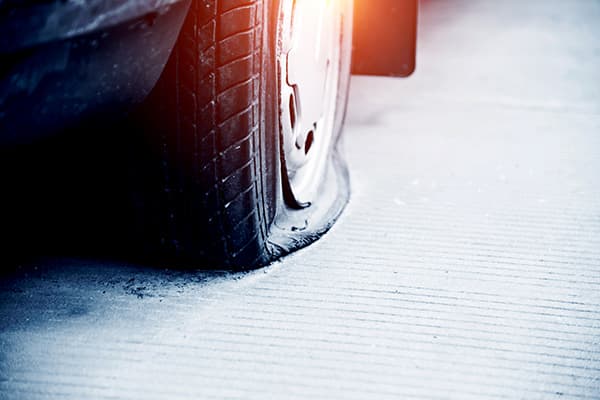
A blowout usually causes a loud pop and a sudden drop on one side of the car. If it's a front tire, you may also feel the steering wheel jerk or hear flapping, and common causes include under-inflation, overloading, worn tread, road damage, and manufacturing defects.
Steer Smoothly Instead Of Braking Hard
Slamming the brakes during a blowout can make you lose control of the car. Instead, ease off the gas, signal, and steer gradually toward the side of the road, then turn on your hazards and call for help once you're safely clear of traffic.
Monthly Tire Checks Can Help Prevent Blowouts
Checking your tire pressure once a month and fixing it if it's off by more than two pounds can lower your risk of a blowout. A quick visual check before driving, plus the penny test for tread wear, can also help you catch problems early.
It’s one of the most unexpected—and unnerving—driving experiences: a tire blowout. And something as small as a nail in the road can be the cause.
“It happens any time the air in the tire escapes at a rapid speed,” says James Solomon, a defensive driving expert with the National Safety Council (NSC).
According to the NSC, the top five causes of tire blowouts are:
- Under-Inflation
- Overload
- Uneven Tread Wear
- Damage
- Manufacturing Defects
Fortunately, tire blowouts seem to be on the downswing since the implementation of tire pressure monitoring systems, says Solomon. Still, he cautions, the unexpected could occur, so it’s important for drivers to understand the possible causes and the proper responses, as well as the steps to take to help prevent a tire blowout.
What To Do
“A blowout is pretty obvious,” says Solomon. “You’ll hear a pop, and one side of your car will drop down.” If it’s a front tire, you’ll hear a flapping sound, and the steering wheel could jerk from your hands. A back tire may be less dramatic, but both situations should be handled the same.
“The last thing you want to do is jam on the brakes, especially in traffic,” says Solomon, even though that may be your gut reaction. The goal is to gain control of the vehicle as it continues to move and to get it away from traffic. He recommends signaling for a lane change and easing your foot off the gas pedal while steering to the side of the road as quickly and as smoothly as you can.
Turn on your hazards, and once the car is safely off the road, call for assistance. If you have the GEICO Mobile app, you can use it to request Emergency Roadside Service. If you’re fixing the flat yourself, make sure you’re a safe distance from traffic.
How To Prevent It
The National Highway Traffic Safety Administration (NHTSA) estimates that about 11,000 tire-related accidents happen every year, so tire upkeep is essential. A good first step is to check tire pressure, using a tire gauge, just as often as you check your oil or washer fluid—preferably once a month, advises Solomon. “If the PSI (pounds per square inch) is off by more than two pounds, fix it.” You can find the correct pressure for a tire in your owner’s manual or on the sticker inside the driver-side door frame. And it never hurts to do a visual check before you get in the car", says Solomon. “If one tire looks lower than the others, it probably is.”
NHTSA also recommends that you check tread wear every month using a simple penny test. Place the coin headfirst into the groove; if you can see the top of Lincoln’s head, it’s time to replace the tire.
Another smart strategy? Add Emergency Roadside Service to your GEICO car insurance policy for just pennies a day per vehicle. Plus, you can request roadside help in as little as two minutes when you use the GEICO Mobile app. Be prepared and download it today!