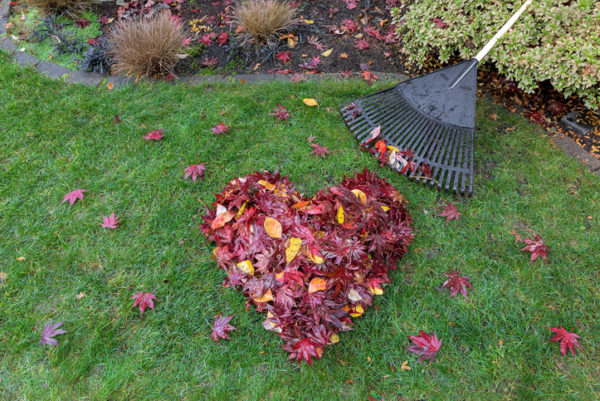
Everyone loves colorful fall foliage—that is, until their lawns are covered in a thick blanket of leaves and they have to rake it up. It might be tempting to leave the mess alone and let nature take its course, but experts say that too much organic matter on your prized piece of turf can hinder growth, kill grass and plants, and promote fungus, mold, and disease.
In short, you can’t escape the dreaded chore—but these leaf-removal hacks will make it a lot easier. That way, you’ll spend fewer hours doing yard work, and more time visiting pumpkin patches, sipping cider, and assembling the perfect Halloween costume.
1. Use A Tarp
Want to give your arms, back, and shoulders a break? Don’t bother dragging leaves across the lawn towards the curb or piling them together into one huge mound before bagging them. Instead, lay a medium-sized plastic or canvas tarp across the grass and rake the leaves onto its surface. When you’re finished, simply fold it up and carry to the trash. (To make things even easier, select a tarp with rope handles.) If your property’s on the bigger side, simply repeat this step, section by section, until it’s clear of foliage.
Ready to Protect Your Home?
See how homeowners insurance could help protect what matters most.
Get a Quote Learn More2. Mulch The Leaves
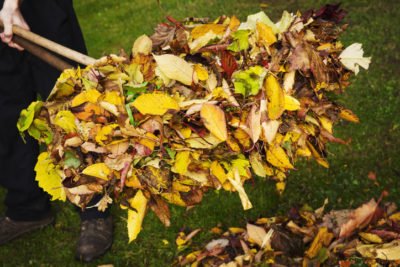
Don’t rake the leaves on your lawn—mulch them. By grinding the organic matter into little bits, you’re reducing the size of your cleanup load, plus you’ll be left with a great compost material or garden bed fertilizer. If you don’t feel like vacuuming up the shredded leaves, you can simply let them sit and feed the soil. (Word to the wise: If you have oak trees, stick with raking, as oak leaves decompose more slowly than maple or elm leaves.)
You can purchase a lawnmower that’s capable of mulching leaves, but you can also save money and use any old mower if you install a serrated blade. (No need to swap out blades if you’re energetic enough to mow with a normal one until the job’s finally done.) But whatever you do, make sure to hold off on mulching until a dry day. That way, the leaves will be crisp, light, and easy to mince.
3. Upgrade Your Rake
You’ve probably owned the same rusty rake for years—but if you swing by the hardware store, you’ll notice that some of the newer models offer longer, easy-grip handles, sharper and springier tines, and pivoting heads, along with other design tweaks. These features spare you from blistered hands and a sore back, plus they make it easier to nab every single dead leaf on the very first sweep. So go ahead, splurge on the latest design. Your yard—and your body—will thank you.
4. Don’t Rake Wet Leaves
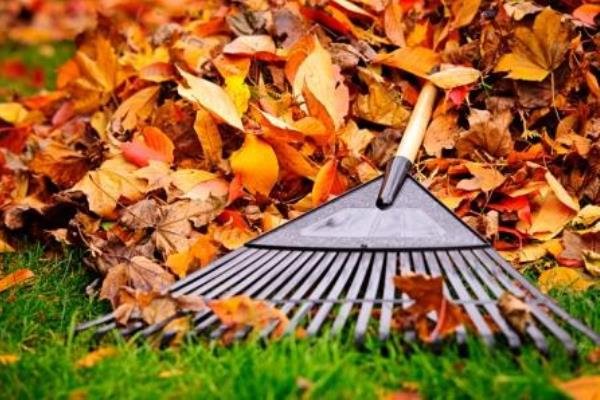
It might seem obvious, but don’t rake leaves after a rainstorm. They’ll turn slimy and stick to the ground (or clump together), plus they’ll be way heavier to bag than fallen foliage that’s dry. Wait until a crisp, clear autumn week to take on the chore, even if your lawn’s leaf layer is growing thicker by the day.
5. Use The Wind To Your Advantage
Tackling a leafy lawn on a gusty day might sound like a foolish idea, but you can actually use the wind to your advantage. Simply rake the leaves in the same direction the breeze is blowing, and you’ll finish raking and collecting much sooner. And if you live on a hill or incline, let gravity lend you a helping hand by pushing the leaves downwards. (Just make sure you’re not blowing them into someone else’s yard.)
6. Try Cardboard
Got a large, sturdy cardboard box lying around? Remove the top and bottom flaps, then flatten and tape the ends together, or cut out one side. Drag the cardboard across your lawn towards the curb—you’ll pick up many more leaves in one sweep than you would just by raking.
Ready to Protect Your Home?
See how homeowners insurance could help protect what matters most.
Get a Quote Learn More