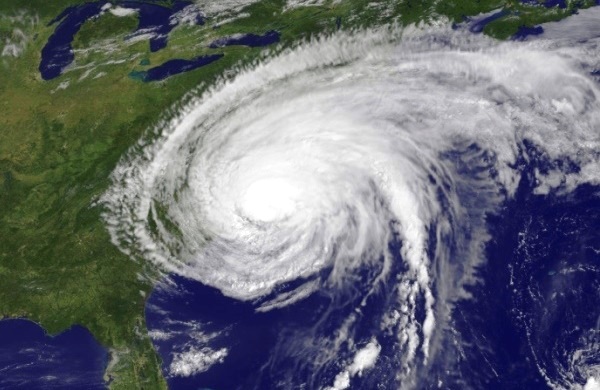
Even if you’ve done everything you can, it can be difficult to know how to prepare for a hurricane, tornado, blizzard, flood, earthquake or wildfire that might affect your hometown. Before you jump head-first into recovery mode, be sure you’re asking the right questions.
1. Is It Really Over?
You should never rush out before making sure that the coast is clear. What feels like an earthquake might have just been a foreshock followed by even more powerful seismic activity. (Small aftershocks can also cause major damage.) The same question should be asked following hurricanes and tornadoes. A lull in activity should not be confused with the end, unless you’ve been told otherwise by the authorities.
2. Is It Safe To Return Home?
After an evacuation, most people are eager to return home to assess the damages and potentially start the rebuilding process. However, it can be dangerous to return home without knowing what kind of post-disaster conditions you’ll encounter. Downed power lines, fallen trees, broken gas lines, and other forms of debris can present new dangers and should be left to the professionals. Your homeowners policy could cover some costs of relocation or temporary housing, so be sure to check with your insurance provider.
3. Is The Water Safe To Use/Consume?
There are several reasons why water supplies may be deemed unfit for human (or animal) consumption, including sewage backups and chemical spills, so pay attention to boil water alerts or other warnings against bathing or drinking from the tap. Bottled water should also be a part of your disaster kit; local governments and rescue agencies may even supply some.
4. Who Is Responsible For Cleaning Up?
Unfortunately, natural disasters have a tendency of disrupting life in very tangible ways. Wind, water, and other elements can make a pretty big mess, but it’s not always up to you to clean up the destruction they’ve caused. Check with your local sanitation department or housing association to see if the job is one that you can opt out of. There may be legal or safety reasons why you shouldn’t touch that fallen tree.
5. Does Your Insurance Cover The Damage?
This question should come before and after any disaster. When purchasing a policy, be sure you understand what, exactly, your insurance covers in the event of an emergency; afterwards, don’t be afraid to reach out to your insurance company for guidance. After all, that’s what they’re there for.
6. Where Can You Go For Help?
Dealing with the aftermath of any disaster can be hard, but you don’t have to go it alone. News outlets and police stations generally broadcast details on where to go for assistance, whether you need food or temporary shelter.
7. What Can You Do To Help?
If you were one of the lucky ones, remember that your friends and neighbors may not have been so fortunate. Offering time, energy, or resources is the right thing to do. After all, you’re helping rebuild your community—and safeguard its future.
Ready to Protect Your Home?
See how homeowners insurance could help protect what matters most.
Get a Quote Learn More