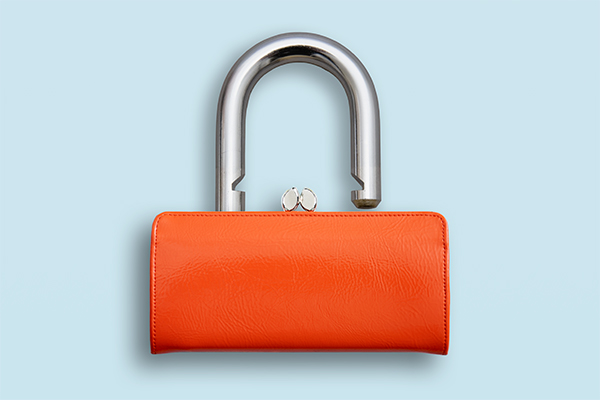
Think about how much you spend in a week on little things—lattes, take-out or those new running shoes you bought online late one night. Now add up these expenses from over the course of a month. Is it more than $100? More than $500?
Going on a month-long financial fast (detox, freeze—whatever you want to call it) can not only slow down the drain on your bank account but also help you focus on your biggest financial weaknesses. The “no-spend month”—where you stop doling out cash for everything except the bare essentials—has become increasingly popular with financial bloggers and social media fans.
“The idea of the fast is to stop spending money on anything that could be delayed, without damage to life or health,” says Ilene Davis, a Cocoa, Fla.–based Certified Financial Planner and author of Wealthy by Choice: Choosing Your Way to a Wealthier Future. “For example, you would make your car insurance payment, but you’d drive only to work and to do absolutely necessary shopping—like for perishable foods,” she says. Here are her eight steps to set yourself up for success.

1. Time It Right
A financial fast is a terrible idea around the holiday season, of course. But also think about your own calendar before you begin. Avoid vacation time—or a month with a lot of birthdays or other special events that would send you running for your wallet.
2. Establish Rules
Before the month begins, make a list of non-negotiable expenses—like rent or mortgage payments, utilities, medication and insurance. Then set aside cash for essentials like gas, as well as perishables like milk and produce. “Don’t stock up before,” says Davis. “That defeats the whole purpose.”

3. Plan Your Meals
One benefit of the financial fast is that you’ll use up much of your inventory of dry goods. “My guess is most people have enough food in their freezer, refrigerator and cabinets to last a month,” says Davis. Go through your pantry and fridge, toss anything that’s expired, then plan your meals around what’s left. Some no-spenders bake their own bread (yeast and flour are cheap) and keep a supply of sandwich fixings. (In the same spirit, use up all of your cosmetics and toiletries—like the little hotel soaps and shampoos stashed in a drawer—before you spend any precious cash on more.)
4. Go Public With Your Goals
Tell your close friends and family about your plan so they won’t innocently tempt you with dinner or concert invitations. This doesn’t mean you have to isolate yourself. “Have people over instead of going out,“ says Davis. “Host a potluck party where everyone brings something—maybe even challenge a group of friends to try the no-spend month, too.”
5. Set Up Obstacles To Spending
Clean out your inbox by opting out of e-mails from your most-tempting retailers, and disable credit card auto-fills on your favorite online shopping sites. Or just make a list of your most tempting or frequently used e-commerce websites and post it next to your screen, as a reminder that these are no-go sites for the next month.

6. Start Having Fun (Yes, Really)
A month of no spending doesn’t have to feel like punishment. Look for free things to do near home—museums, parks, free concerts. Go to the library and check out a book. Play some classic board games at home, or refocus on your home art studio or that DIY project that keeps getting pushed back. If you’re not driving so much to restaurants, theaters or the mall, you’ll spend less on gas, too. The savings will add up fast.
7. Focus On The Future
When you get tempted to spend, think about what you want to do with the money saved. Have you been dreaming of paying down a credit card or going on a vacation? Are you shoring up an emergency fund? Thinking about the payoff can reduce any FOMO (fear of missing out) you might feel. And keep a record of what you saved; having a tangible number will help spur further efforts to save.
8. Be Kind To Yourself
Spending is often about emotional gratification, says Davis, and cutting that off takes practice. “If you find you can’t do it, just stop,” she says. Commit to beginning again down the road—or try no-spend weeks or days.
Don’t spend a penny more on insurance than you have to. Click here to learn more about GEICO’s insurance discounts.