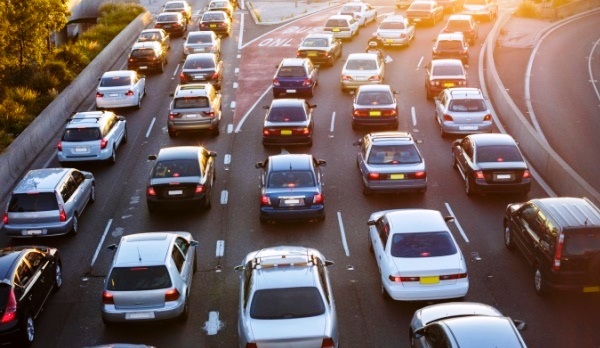
The holiday season is a wonderful time to hit the road for a visit with family and friends. But it often means long drives in heavy traffic. To help you stay safe (and sane) on the road to your destination, here’s a list of defensive driving tips to prepare you for the drive.
Planning: The First Line of Defense
According to the National Safety Council (NSC), defensive driving means taking reasonable action to prevent a collision. But defensive driving starts before you even get on the road. Checking weather and road conditions in advance helps you plan a route and know what to expect along the way. It’s also important to pack the car with basic supplies. A first aid kit, flares, snacks and blankets ensure you’re ready for emergencies on long drives.
Traffic Watch
The holiday season is not only one of the busiest travel times and more cars on the road means a higher chance of fatal crashes, so it’s extra important to stay alert this year and learn to spot and avoid hazards using these NSC-approved tips.
- Defensive driving instructors recommend checking your mirrors every three to five seconds and continuously scanning ahead for possible dangers.
- Always give the right of way to fellow motorists, but be prepared to react to unexpected lane changes and turns.
- During heavy traffic, keep a safe distance from other vehicles and give yourself ample response time by slowing your speed.
- Look for signs of impaired, distracted and even aggressive driving and develop techniques like deep breathing to keep calm under pressure.
Collision-Proof Your Drive
The NSC has identified six unsafe driving behaviors that most often lead to collisions. By understanding each infraction and learning how to avoid them, holiday travelers can develop safer driving habits and collision avoidance techniques.
Improper speed
Keep a close eye on both the posted speed limit and weather conditions. Even if you’re obeying the limit, you may need to slow down to drive safely on a wet or icy road.
Violating right of way
To make sure you’re yielding properly and following all traffic signals and stop signs, drive at an appropriate speed to give yourself time to react and take a moment to scan intersections before entering them.
Driving left of center
Patience and foresight are key to avoiding this unsafe behavior. Slow down and stay behind cyclists or pedestrians until it’s safe to pass them, and watch the road ahead for animals or other obstacles so you can brake or safely steer around them instead of swerving into the other lane.
Turning improperly
Always use turn signals to let other drivers, pedestrians and cyclists know where you’re going. (Most traffic laws require you to signal within 100 feet of a turn, but you should check local regulations.)
Passing improperly
When passing, be sure to use your turn signals and check your blind spots, as well as in front of and behind your vehicle. You should be able to pass without getting too close to the car ahead or going over the speed limit; if you can’t, it may not be safe to pass.
Following too closely
At low speeds, this can lead to irritating fender benders; at high speeds, it can be deadly. Give yourself at least three seconds of distance between your own vehicle and the one ahead. If someone is tailgating you, don’t speed up! Maintain your speed and move over to let him or her pass if and when it is safe to do so.
Did you know? GEICO policyholders who complete defensive driver training could qualify for discounts on their auto insurance, depending on the state they live in. To learn more about defensive driver courses in your state.