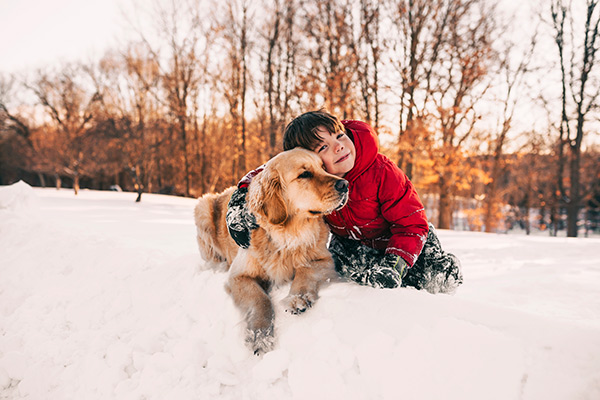
Despite the benefit of a fur coat, your dog or cat still feels the colder temperatures. “Like humans, they’re not meant to withstand extremely cold conditions,” says Inga Fricke, director of sheltering initiatives and outreach for the Humane Society of the United States. “Our rule of thumb is if it’s not safe for you, it’s not safe for your pets.”
Temperature isn’t the only winter hazard your pet faces. Here’s what to keep in mind, says Fricke, and how to help keep your pet safe.
Limit Your Pet’s Time Outdoors
On walks
It’s better to have more frequent, short walks than longer ones when the weather’s inclement.
In the yard
If your pet spends any time in the backyard, it’s essential to have a shelter to help protect them from the elements. It should be:
- Draft-free.
- Small enough that it can hold in body heat, but big enough that they can move around.
- Raised a few inches off the ground.
- Covered in cedar shavings or straw on the floor.
- Have a doorway that’s covered (but not sealed) with plastic or waterproof burlap.
Protect Your Best Friend?
Pet insurance could help with eligible vet bills for accidents and illnesses.
Learn MoreKeep Pets Warm Inside, Too
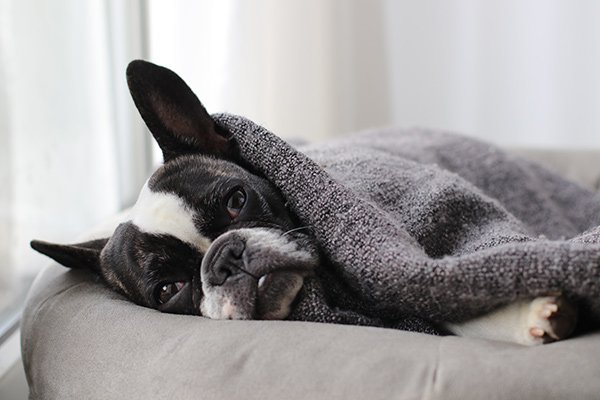
If you have a drafty house and find yourself wearing layers at home, your animals might feel the chill, too. Self-warming pads and extra-fluffy beds can help keep pets toasty through the winter.
Keep Your Pet Away From These Things
Ice Melt
Traditional ice melt products can be harmful to paws and toxic if ingested. Use pet-safe ice melt instead.
Antifreeze
Sweet-tasting and greenish in appearance, antifreeze can cause kidney failure if ingested, so make sure your pets don’t drink from any puddles while on walks. Also, check under your car for antifreeze leaks and always use pet-safe, non-toxic antifreeze.
Rock Salt
Licking salt can cause excessive thirst; if the pet drinks too much water as a result, the salt in the body retains extra water, which might lead to brain swelling, a coma or seizures, says veterinarian Dr. Judy Morgan.
To be sure pets don’t lick off harmful residue from any of these, wipe their paws with a damp cloth after they’ve been outside.
Watch Where You Walk Your Dog
Dogs can pull and tear muscles just like humans can, so be very careful around icy, slick surfaces, Dr. Morgan advises. Ice can also be razor sharp and snow, which can melt and re-freeze, can hurt their paws, too. If you live near a pond or a lake, don’t let your pets go out on the ice, where they could slip and hurt themselves or fall through the ice.
Bundle Up Your Pet
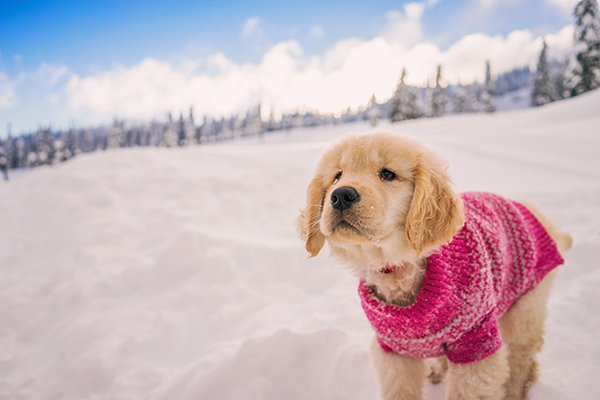
Like with people, animals’ extremities—ears, noses and paws—are the most prone to frostbite. Slip on the booties and add a sweater to your short-haired dog. If your pet starts shivering and acting sluggish, he might be experiencing hypothermia. Warm him up right away with blankets. If symptoms don’t subside quickly, take your pet to the vet.
Knock On Your Car Hood
Cats love to curl up in warm places like car engine compartments, which can be dangerous when you start the car. Scare off any unwanted guests by knocking on the hood before you get in.
Be Mindful Of The Snow
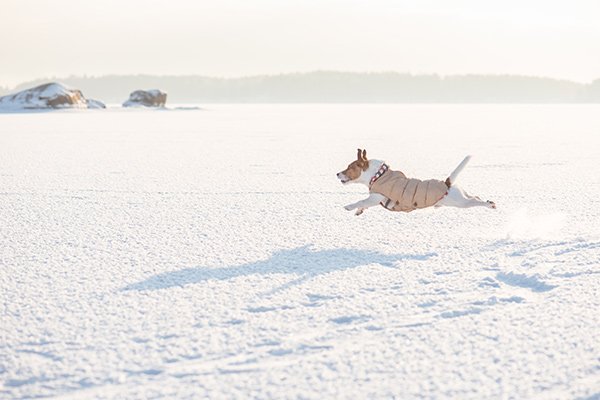
A dog finds his way around with his nose; a snowfall could mask scents along the route home and cover up familiar landmarks, causing him to get lost. Make sure your pet’s identification tags and microchips are up-to-date and keep them safely confined.
Take Extra Care With Older Pets
The cold can exacerbate conditions that older pets may have, especially weak joints and bones, so it’s important to give them a little extra TLC. Raise their bed off cold floors and give them extra bedding to snuggle under. Brush them instead of bathing, recommends Fricke, so they don’t suffer a post-bath chill. Also, check with your vet about supplements and any change in diet that might be helpful.
Is the cost of pet insurance one of your pet peeves? You may be eligible for a discount on pet insurance through the GEICO Insurance Agency if you have a spayed or neutered pet. Get a quote now and see if you could save!
Protect Your Best Friend?
Pet insurance could help with eligible vet bills for accidents and illnesses.
Learn More