Key Things To Know About Safe Deposit Boxes

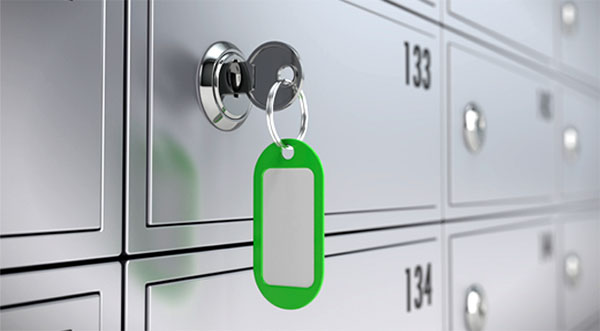
Safety deposit box with a key in the lock.

KEY TAKEAWAYS

A Safe Deposit Box Is for Things You Cannot Replace, Not Things You Might Need in a Hurry

The purpose of a safe deposit box is to protect documents and valuables that would be difficult or impossible to replace if they were lost, stolen, or destroyed at home. Deeds, birth certificates, insurance policies, jewelry, and small collectibles all belong in a safe deposit box. But anything you might need on short notice does not. Passports, power-of-attorney documents, and medical directives should stay accessible at home because a bank vault is only available during business hours. The rule is simple: if you would need it in an emergency, a weekend, or a holiday, keep it somewhere you can reach it. Everything else is safer at the bank.

The Bank Vault Is More Secure Than Anything You Have at Home, But It Is Not Insured

Banks use strict access procedures, sophisticated alarm systems, and climate-controlled vaults that are far more secure than a home safe or a filing cabinet. That level of protection costs between $15 and $500 per year depending on the size of the box, which ranges from a small 2x5-inch slot for keys and paperwork to a 15x22-inch box large enough for artwork and heirlooms. But here is what most people do not realize: the bank does not insure the contents of your safe deposit box. If something happens to those items, the bank is not liable. To protect what is inside, you need to add a scheduled personal property endorsement to your homeowners or renters insurance policy. That endorsement lists each item at its appraised value and ensures you are covered for the full amount. Talk to your insurance agent about what is in the box and what level of coverage makes sense.

Keep an Inventory of Everything in the Box, and Keep It Somewhere Else

A safe deposit box only protects the physical items inside it. It does not help you prove what was there if you ever need to file an insurance claim. Photograph every item you store, create a written inventory with descriptions and estimated values, and keep both the photos and the list in a separate location, either at home in a fireproof safe or as a secure digital backup. If you store a piece of jewelry worth $10,000 but have no documentation of it, your insurance claim has nothing to work with. The inventory is not optional. It is the thing that makes the insurance coverage functional.

Everyone has valuables they don’t use every day but would hate to lose. How can you keep them secure? You could store such items in a fire-resistant safe at home, but these can be broken into or carried off if your house is burglarized. Instead, consider renting a safe deposit box at a local bank.

What Can I Store?

What can you keep in a safe deposit box or locker? “All important documents or other valuable items that would be difficult or impossible to replace,” says David McGuinn, president of the Houston, Texas, consulting firm Safe Deposit Specialists.

These can include deeds, birth certificates, insurance policies, jewelry and other small collectibles. But don’t store anything you might need in an emergency, such as passports or power-of-attorney documents. Keep these at home so you can access them at a moment’s notice.
Watch displayed inside a jewelry case.

How Much Does It Cost?

Safe deposit boxes generally range in size from 2 x 5 x 12 inches (enough space for keys, jewelry and paperwork) to 15 x 22 x 12 inches or larger (enough space for artwork and other family heirlooms). Costs typically range from $15 per year to $500 per year, depending on the size, a small price to pay for high-level security measures and the resulting peace of mind.
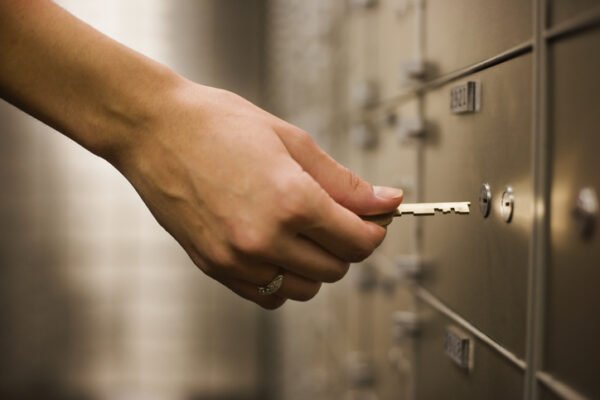
A person opening a safe deposit box with a key.

How Are They Protected & Insured?

Most financial institutions have strict procedures for allowing access to safe deposit boxes and are protected with advanced alarm systems. Bank vaults are also more climate-controlled than the typical home safe. For sensitive documents, you should take extra precautions, such as storing them in airtight plastic bags or containers to prevent water damage.

However, McGuinn warns, banks do not provide insurance for the contents of your safe deposit box, so you may want to add a scheduled personal property endorsement to your homeowners or renters insurance to make sure you’re covered. You should also photograph and keep an inventory of your stored items and keep this list in a separate location.

Ready to Protect Your Home?

See how homeowners insurance could help protect what matters most.

Get a Quote Learn More

  • What Can I Store?
  • How Much Does It Cost?
  • How Are They Protected & Insured?
  • Ready to Protect Your Home?