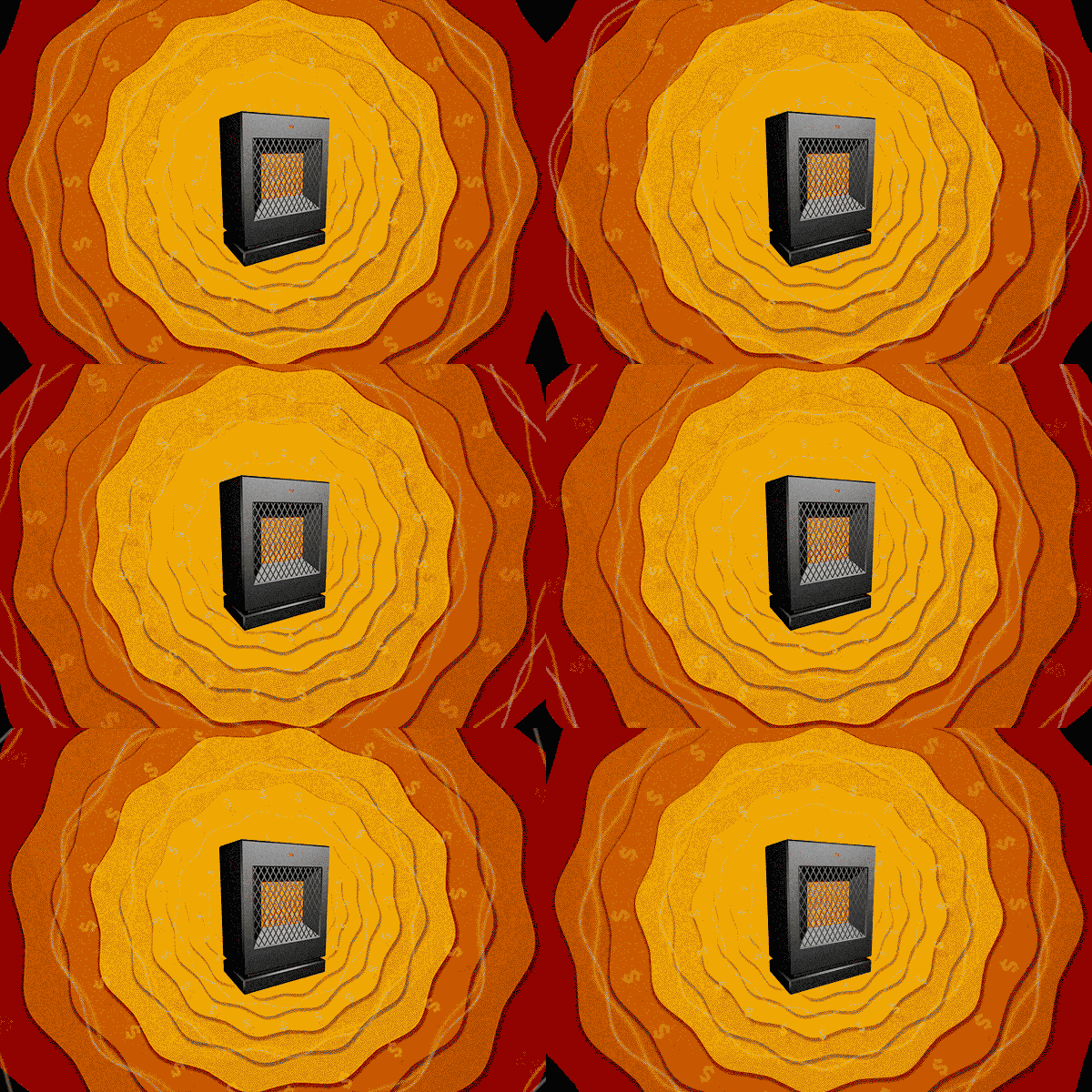
To warm up a home in winter, sometimes you need the complete effect of a central heating system. But if you only need to warm one room, the Department of Energy (DoE) says that portable electric space heaters can be an effective option—and may even save you some money.
The downside? Portable electric heaters are high-wattage appliances that have the potential to set fire to nearby items like curtains and clothing, says Lisa Braxton, public education specialist at the National Fire Protection Association (NFPA). In fact, these space heaters are involved in more than 1,000 fires and some 50 deaths every year, according to the Consumer Product Safety Commission (CPSC). In addition, some 6,000 people go to the emergency room annually with burns from coming into contact with room heaters, according to the DoE.
However, Braxton says if you follow certain safety precautions, space heaters are relatively safe. Here are her tips on how to buy and use them.
How To Buy A Space Heater
- Check the label. The heater should be listed by a qualified testing laboratory. Look for the UL mark from Underwriters Laboratories, the ETL label from Intertek or certification from CSA International.
- Get smart. Look for a heater with a smart sensor that automatically shuts off the unit when it overheats or is tipped over.
- Power up. Electric heaters are the only type of space heaters that are safe to use indoors without venting, says the DoE.
Need More Liability Protection?
Umbrella insurance may cover situations that your other policies may not.
Learn MoreBefore You Turn On A Space Heater
- Check the list. Search the CPSC’s Safer Products site to see if your electric heater has been recalled.
- Be prepared. Be sure to install smoke detectors in your home (as well as carbon monoxide alarms) and test them monthly.
- Look it over. Inspect the heater, cord and plug; don’t run it if you think there might be damage.
How To Set Up A Space Heater
- Give it room. Place the heater on a solid, flat surface, at least three feet from anything that may catch on fire, such as drapes, furniture or bedding. If you’re using it in a workshop or garage, be especially mindful of flammable items like paint, gas cans or matches.
- Set it smart. Don’t put the heater on top of furniture or cover it with anything—both actions can increase the risk of fire. Also, be mindful of high-traffic areas and doorways where the heater may pose a tripping and burning hazard.
- Watch the cord. Keep the power cord from getting stepped on and don’t run it under rugs, carpeting or furniture.
- Plug It Directly. Using a space heater with extension cords and power strips could cause overheating, so plug the heater directly into the outlet. Be sure the plug fits tightly and is the only device plugged into the outlet.
- Watch for water. To prevent shocks, always keep electric heaters away from water and never touch an electric heater if you’re wet.
How To Run A Space Heater
- Check it. Do frequent checks to see if the plug, cord, wall outlet or faceplate is hot; if so, stop using it immediately. Be especially wary of a hot cord; that means it’s likely defective or damaged and could spark and ignite a fire.
- Use it for heat. Space heaters are only meant to provide supplemental heat; don’t use them to warm bedding, cook food, dry clothing or thaw pipes.
- Run it in spurts. Only use your heater for short periods of time; it shouldn’t be left on 24/7.
- Turn it off. Don’t use space heaters in an unattended room, in a child’s room (where kids might knock it over or burn themselves) or while you’re sleeping.
- Unplug it. Always unplug the heater and store it safely when you’re not using it.
Looking for a good deal? You’re getting warmer: With homeowners insurance through the GEICO Insurance Agency, you could save a lot this winter. Get a fast, free quote today.
Ready to Protect Your Home?
See how homeowners insurance could help protect what matters most.
Get a Quote Learn More