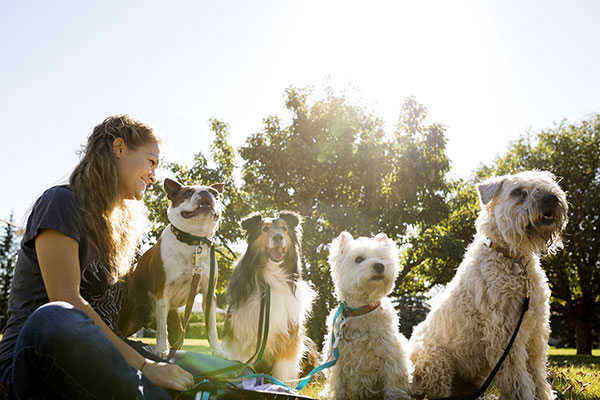
It’s hot out there! And your pet is probably feeling it, too. To ensure your pets stay safe during the summer months, we sought the advice of Dr. Jeff Werber, a renowned veterinarian.
Choose Your Exercise Hours Carefully
“Exercise only in the early morning and late evening,” Dr. Werber advises. “Never do it in the middle of the day.” When outside, take breaks in the shade and have ample water available. If your dog is young, senior, overweight or brachycephalic, be extra careful. Talk to your vet for recommendations specific to your pet’s needs.
Protect Your Best Friend?
Pet insurance could help with eligible vet bills for accidents and illnesses.
Learn MoreKnow The Signs
“It’s important to know what to look for and assess whether your pet may be overheating,” says Dr. Werber. Watch for these possible symptoms:
- Excessive Panting: Pets pant to bring down their body temperature. “Dogs and cats don’t sweat like we do,” says Dr. Werber. “When they start to pant excessively, that means they’re overheating.” He advises stopping in shade and giving them a drink of water. Vomiting, weakness and fainting are also signs of heatstroke; seek veterinary care immediately.
- High Temperature: “If it [body temperature] starts creeping above 103.5°F, be concerned. If it’s above 104°F, time to get to a veterinarian.”
- Dry gums: Lift up a dog or cat’s lips. Their gums should feel slimy, much like ours; but if their gums are very dry, it may indicate overheating.
Stay Hydrated
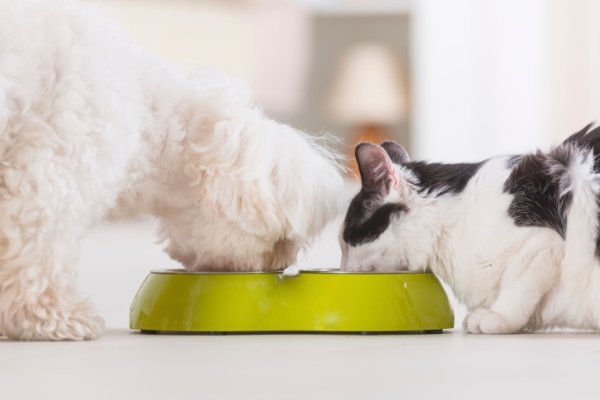
Make sure pets drink plenty of water. Dr. Werber has a clever tip for doing this: “Mix wet food into their dry food. It’s 70 percent water and will help with increased hydration.” Change the water and clean the bowls at least daily. Cats especially love running water, and there are many fountain-style bowls on the market to entice them to drink. (Although the sound of running water may have you running to the restroom a bit more often!)
Never Leave Your Pet in a Parked Car
When a dog pants in an enclosed space, all that warm breath stays inside the vehicle. “That’s why we recommend never doing this,” says Dr. Werber. “You can imagine how quickly that car can hit high temperatures.”
If a Pet Overheats, Cool Them Down
Wet a beach towel and drape it over your pet. Cool the feet: sweat glands that regulate heat are on a dog’s or cat’s pads. Move into the shade, and give your pet a drink.
Contrary to popular belief, you should NOT shave their fur. The animal’s natural coat is designed to insulate them in both hot and cold weather. Without that coat, they’re more vulnerable to overheating, sunburn and even skin cancer. Instead, brush them on a regular basis to loosen their thick winter undercoats and remove excess dead fur.
Cover them Footsies!
In the summer, the pavement can get scorching hot, and retain the heat after the sun has set. “I always recommend something to protect the feet,” says Dr. Werber. He suggests using booties or adhesive paw pads that keep paws safe and clean.
Cruise Control
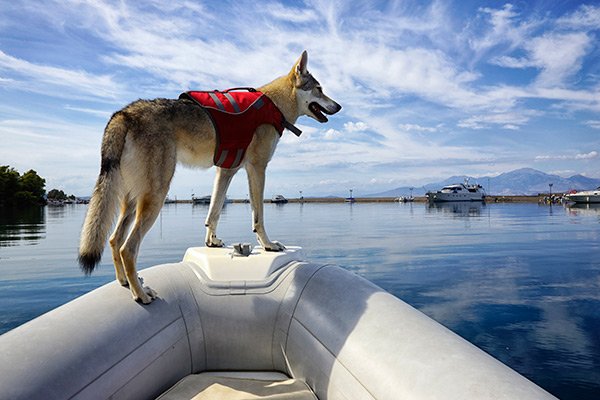
While on a boat, pets should wear a life vest. Dogs may be capable swimmers, but as Dr. Werber emphasizes, “It’s good idea to have a little extra protection.” (Learn more about how to boat safely with your dog.)
When Outside, be Bug Aware
This time of year, the biggest threats are fleas and ticks, which carry Lyme disease and other blood-borne parasites. Heartworm is transmitted by mosquitos, so make sure pets take prevention medication. As Dr. Werber advises, “if you’re not sure about the area, check with your veterinarian.”
Have Fun this Summer!
“It’s great bonding time,” says Dr. Werber. “We want you out there, and your pets will love you for it. Just have fun, and exercise caution.”
Having pet insurance can help you manage the costs if your four-legged friend gets sick or injured. Visit geico.com to learn more.
Protect Your Best Friend?
Pet insurance could help with eligible vet bills for accidents and illnesses.
Learn More