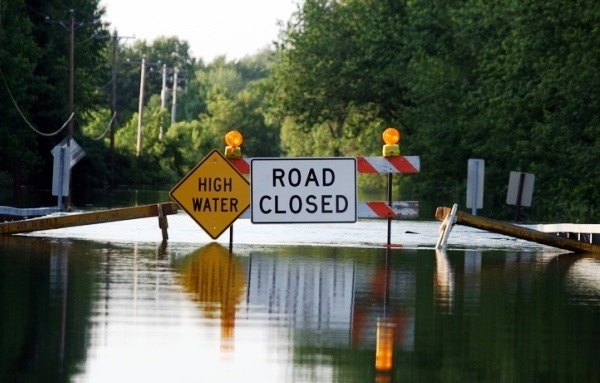
Did you know? Floods can happen anywhere at any time.
Flood Coverage, Without the Guesswork
Learn how flood insurance works and get a quote in minutes.
Learn MoreFlood Preparation Checklist
Last-minute steps to protect personal property in the event of a flood
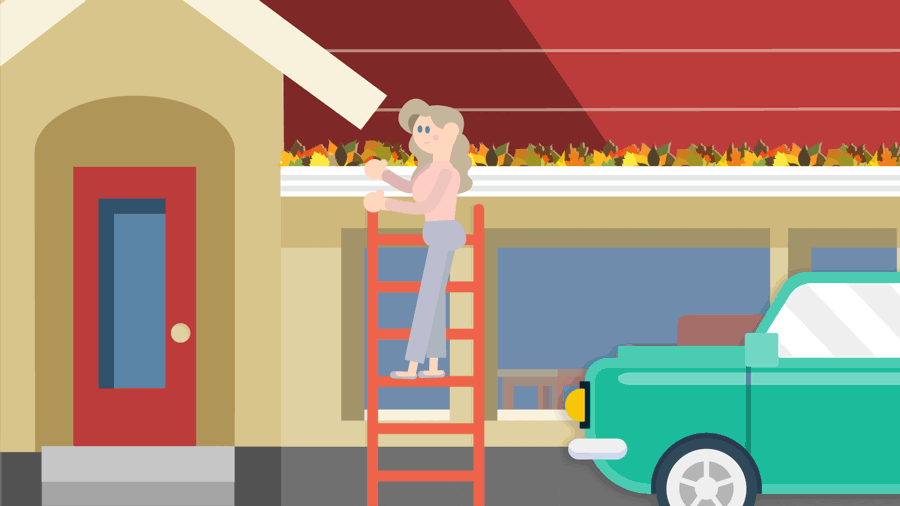
- Clear drains and gutters of debris to prevent water from piling up and not being properly shifted.
- Move expensive furniture and electronics to higher ground. A TV in the basement, for example, can be carried to the top floor of a home to prevent damage from moisture.
- Make sure sump pumps and drains are functioning properly. Inspect them yourself regularly or hire pros to examine these appliances.
- Roll up and store area rugs on the first floor / basement level on a high floor to prevent damage.
- Shut off electrical service to your home at the main breaker before evacuating and moving to higher ground.
Source: disastersafety.org
Flood Evacuation Safety
- Listen to area radio and television stations and a NOAA Weather Radio for possible flood warnings and reports of flooding in progress or other critical information from the National Weather Service (NWS).
- Stay away from floodwaters. If you come upon a flowing stream where water is above your ankles, stop, turn around and go another way. Six inches of swiftly moving water can sweep you off of your feet.
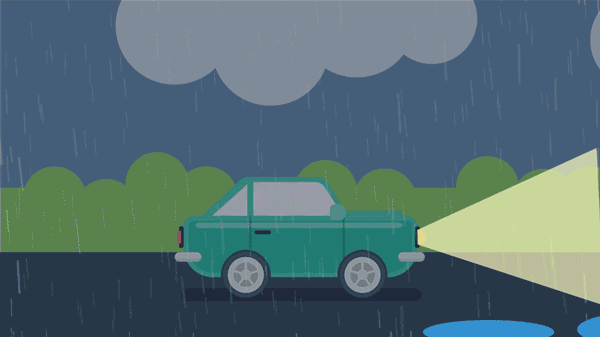
- If you come upon a flooded road while driving, turn around and go the other way. If you are caught on a flooded road and waters are rising rapidly around you, get out of the car quickly and move to higher ground. Most cars can be swept away by less than two feet of moving water.
What Should I Do If My Car Gets Flooded?
If you are unable to move your car to high enough ground before the flood hits and it gets partially or fully submerged, it can mean water damage and expensive repairs. Here’s what to do:
1. Assess the Damage
Take note of how high the water level reached in relation to your vehicle’s height; you’ll want to provide this information to the insurance adjuster.
2. Get it Towed
DO NOT start a flooded car, as this will potentially cause more damage if the engine is waterlogged. However, you don’t want to leave the car submerged for any longer than necessary, and you’ll want to get it dried out as quickly as possible to avoid corrosion. Call for a tow to get it to dry ground and to a repair shop as soon as you can.
3. File an Auto Insurance Claim
After the extent of your car, truck, or SUV’s flood damage is determined, your insurance adjuster will weigh the costs of repairing the vehicle against the cost of replacing it (also known as “totaling”), and they will discuss with you what that implies.
Even if you’re not living by a coast or a river, your home could still be located in an area susceptible to flooding. Get a flood insurance quote for your home.
Ready to Protect Your Home?
See how homeowners insurance could help protect what matters most.
Get a Quote Learn More